Lithium-ion & Polymer Battery Packs Manufacturer | KBT Battery


Standard Batteries and Custom Battery Packs
Reliable Li-ion, LiPo and LiFePO4 battery packs, chargers and cells, with custom BMS, cable, connector and pack
Search Product
Search productSearch post
Reliable Li-ion, LiPo and LiFePO4 battery packs, chargers and cells, with custom BMS, cable, connector and pack
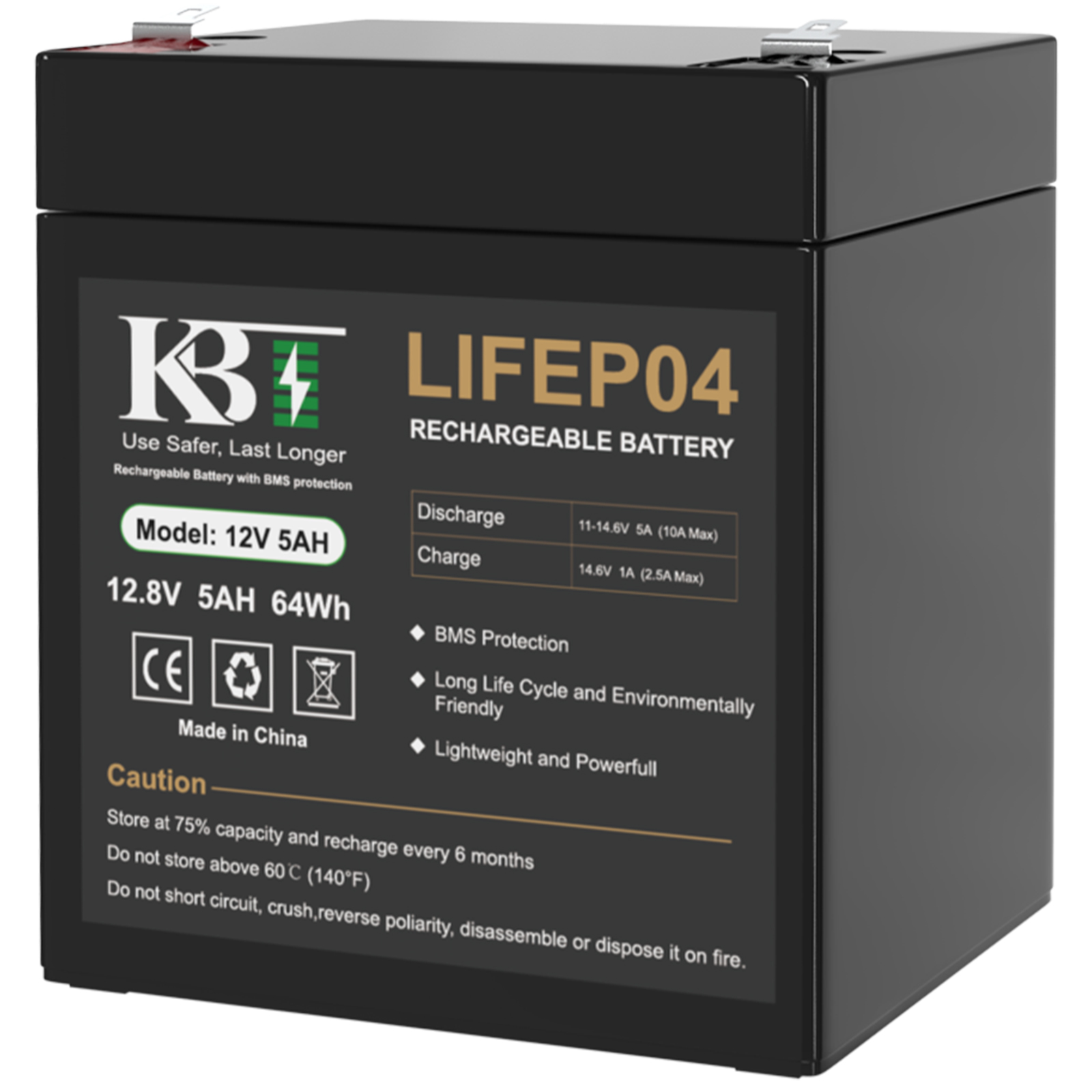
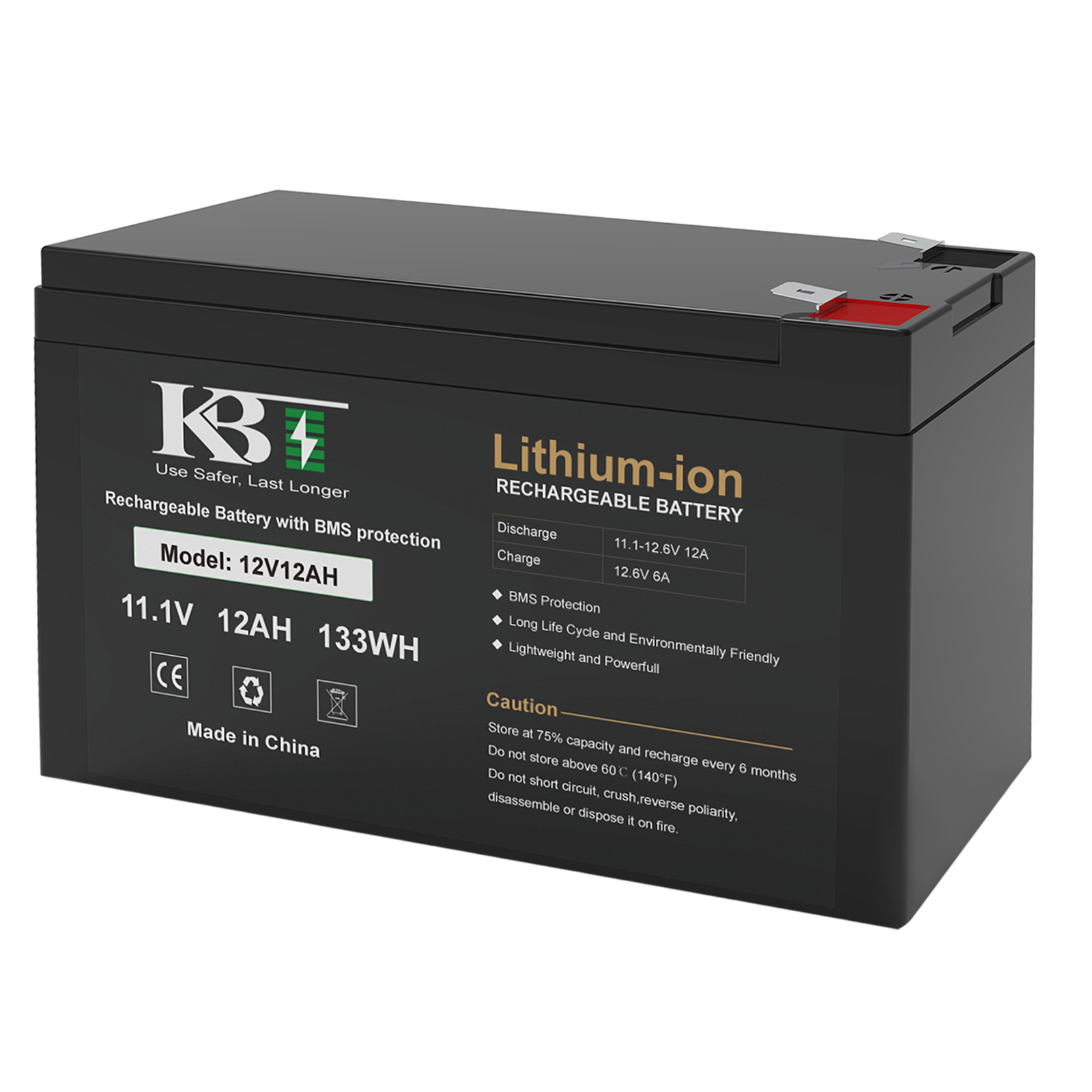
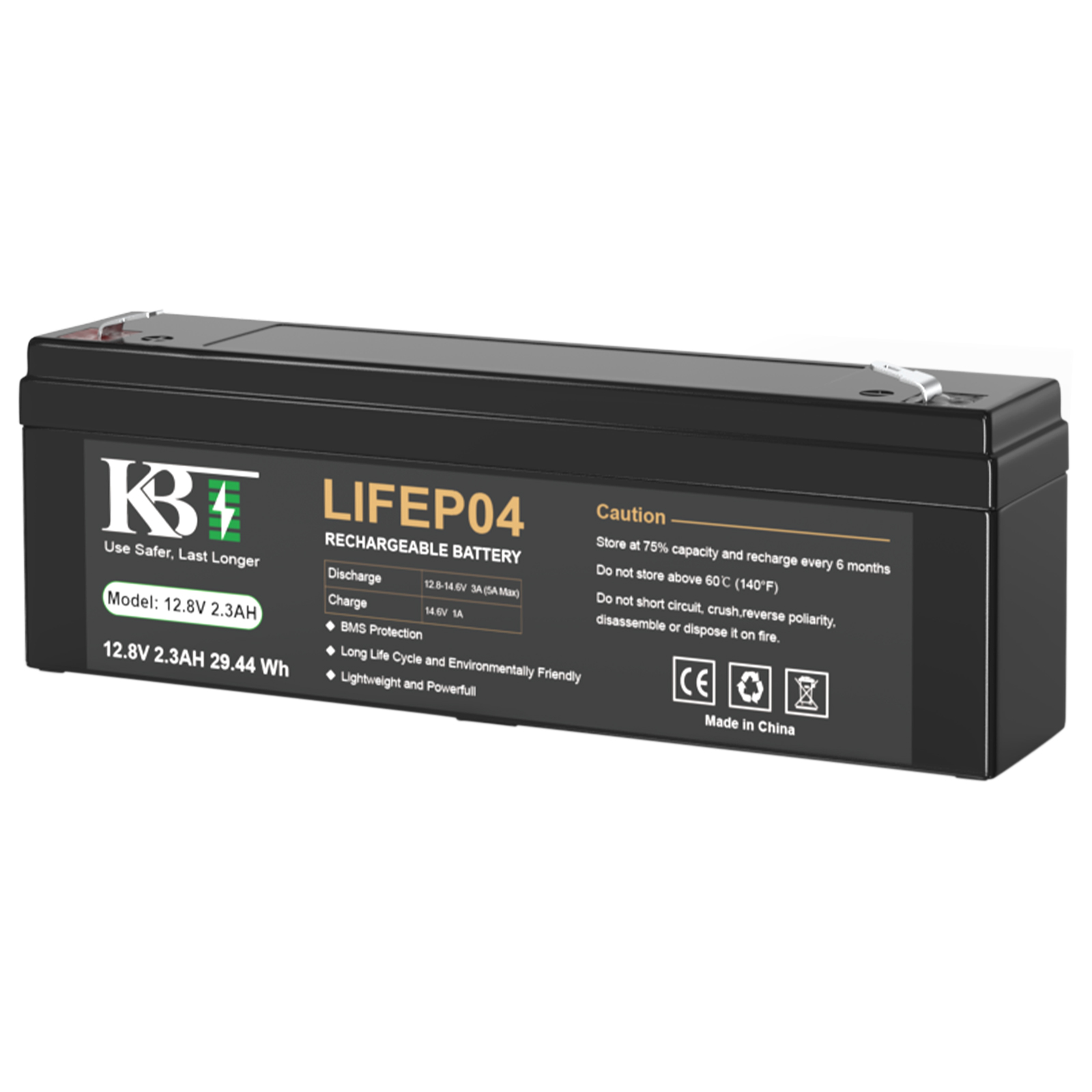
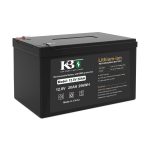

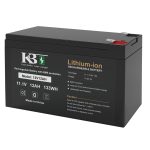
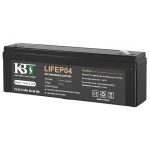
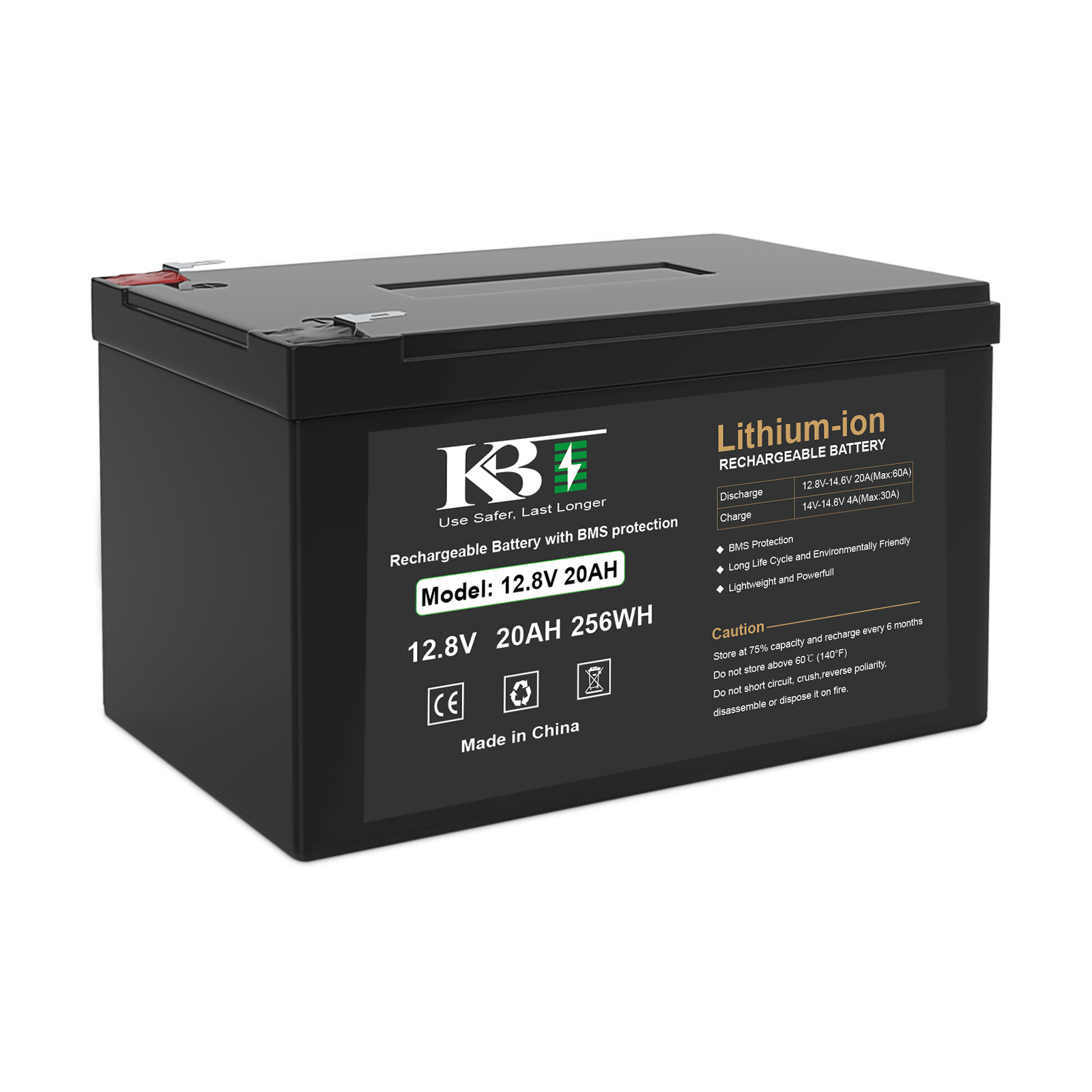
| Model | Battery Cell | Capacity | Nominal Voltage | Discharge Current | BMS |
|---|---|---|---|---|---|
| 12.8V 2.3AH | 32700 | 2300mAh | 12.8V | 3A | Yes |
| 12.8V 5AH | 32700 | 5000mAh | 12.8V | 10A | Yes |
| 12V 12Ah | 32700 | 12Ah | 11.1V | 12A | Yes |
| 12V 8Ah | 32700 | 8Ah | 11.1V | 8A | Yes |
| 12V 5Ah | 32700 | 5000mAh | 12.8V | 10A | Yes |
| 12V 6Ah | 32700 | 6000mAh | 12.8V | 5A | Yes |
| 12.8V 12Ah | 32700 | 12Ah | 12.8V | 20A | Yes |
| 12.8V 15Ah | 32700 | 15Ah | 12.8V | 20A | Yes |
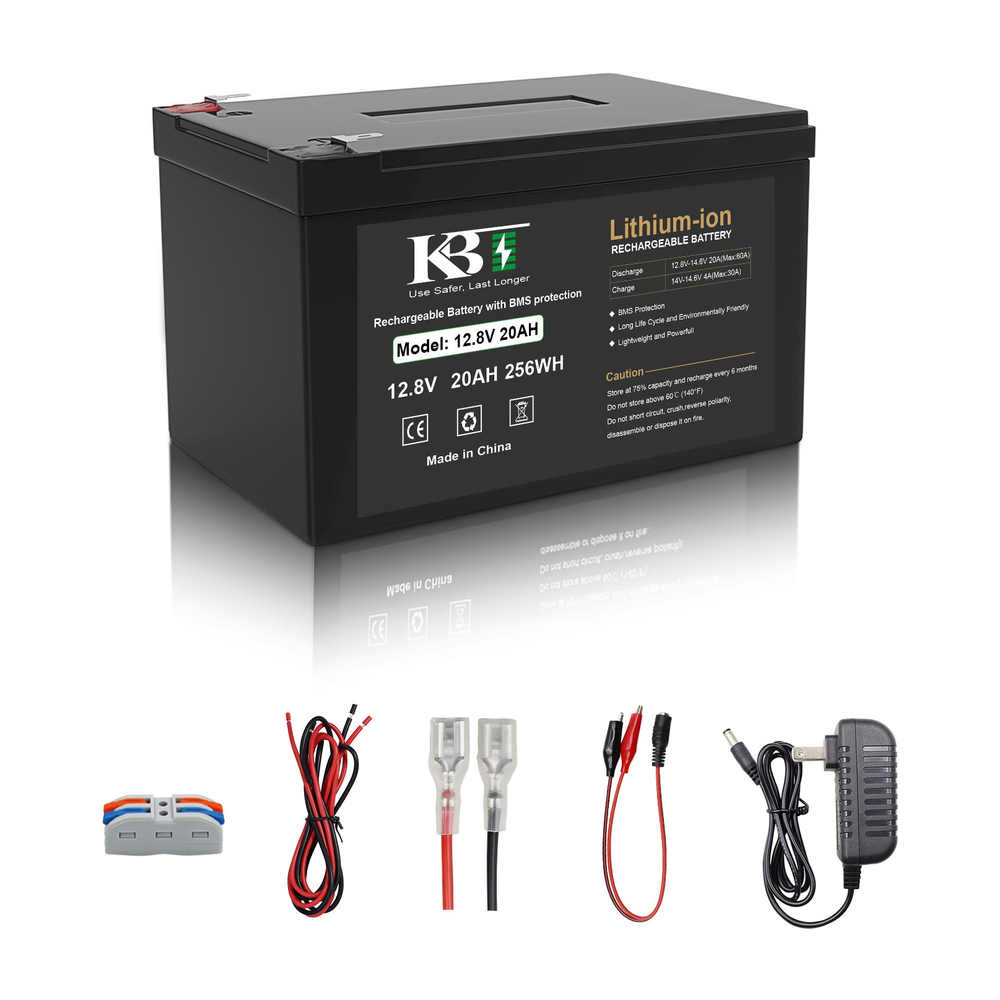
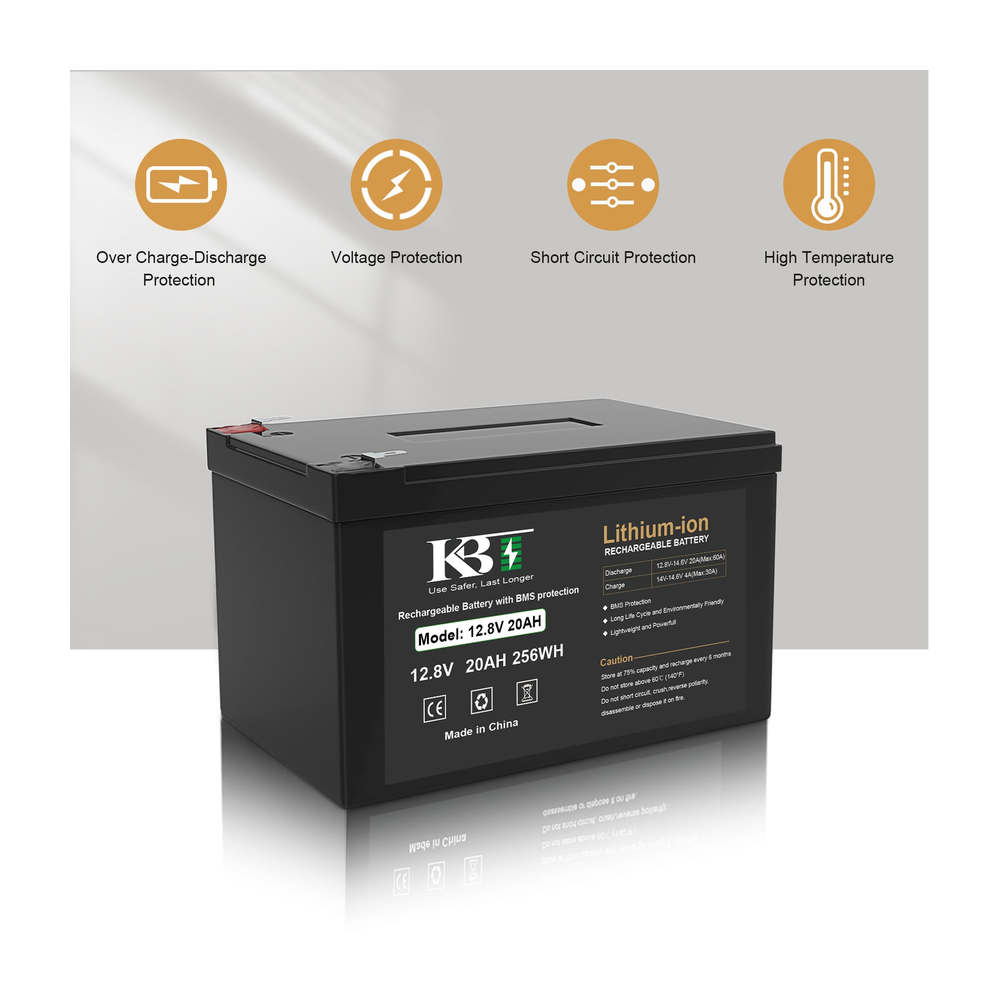
| 12.8V 20Ah | 32700 | 20Ah | 12.8V | 20A | Yes |
Developed for commercial and industrial power requirements, this battery pack range gives buyers a practical foundation for integrating rechargeable 12V-class power into new or existing equipment. Multiple pack sizes and electrical configurations allow engineers to select an option according to operating load, required runtime, installation space, and connection method. The range is suitable for projects that need stable DC power in instruments, monitoring devices, backup systems, communication equipment, lighting products, mobility equipment, and other portable or stationary applications.
For projects that cannot use an existing configuration directly, KBT can adjust the cell arrangement, output specification, protection settings, connector type, cable length, enclosure, label, and packaging. Charger matching and other project-specific requirements can also be reviewed during development. The process can include requirement evaluation, configuration confirmation, prototype preparation, sample testing, and preparation for repeat production.
During assembly, attention is given to cell consistency, electrical connections, protection-board operation, charge and discharge performance, appearance, and final output verification. This helps equipment manufacturers, importers, distributors, and private-label customers establish a more consistent supply route from initial evaluation through volume purchasing. Final specifications, dimensions, documentation, and application compatibility should be confirmed against the selected model before ordering.
Every KBT product is developed and manufactured with safety, reliability, and batch-to-batch consistency at its core, meeting the practical requirements of professional buyers for dependable performance, controlled quality, and long-term supply.
The company is certified to the ISO 9001 quality management system, and its products have obtained CCC and UL 2054 certifications, the complete UN 38.3 documentation package, including MSDS and air- and sea-transport reports, And CE International Standard Certification.
Customers can purchase proven standard models to reduce development work and shorten product selection, testing, and project launch times. OEM/ODM customization is also available for project-specific requirements. For customized projects, KBT supports requirement evaluation, solution confirmation, prototyping, validation, production introduction, and volume delivery, helping each product align with the customer’s technical standards, branding requirements, and procurement plan.
Supported by integrated R&D, manufacturing, and quality management capabilities, KBT controls key stages from incoming materials and production processes to performance testing and finished-product inspection. Standardized manufacturing, automated equipment, consistency control, and product traceability help maintain stable quality across production batches while reducing sourcing, qualification, and after-sales risks for buyers.
From standard product sourcing to custom development, and from initial samples to repeat volume orders, KBT provides B2B customers with efficient project communication, controlled product quality, and dependable long-term supply.
What KBT Delivers:
Cell consistency and incoming components are checked before battery pack assembly.
Welding, wiring, BMS protection and assembly quality are inspected during production.
Electrical performance, protection functions, appearance and order specifications are verified before shipment.
For buyers who need a proven model with a clear specification and a shorter purchasing path.
For projects that need electrical, mechanical, connection or compliance changes.
A reliable battery pack is not just cells assembled together. KBT reviews the application first, then controls cell consistency, BMS protection, connection reliability, sample validation, and final inspection before delivery.
Capacity, internal resistance, or voltage differences can lead to unstable runtime, heat rise, and uneven capacity fade.
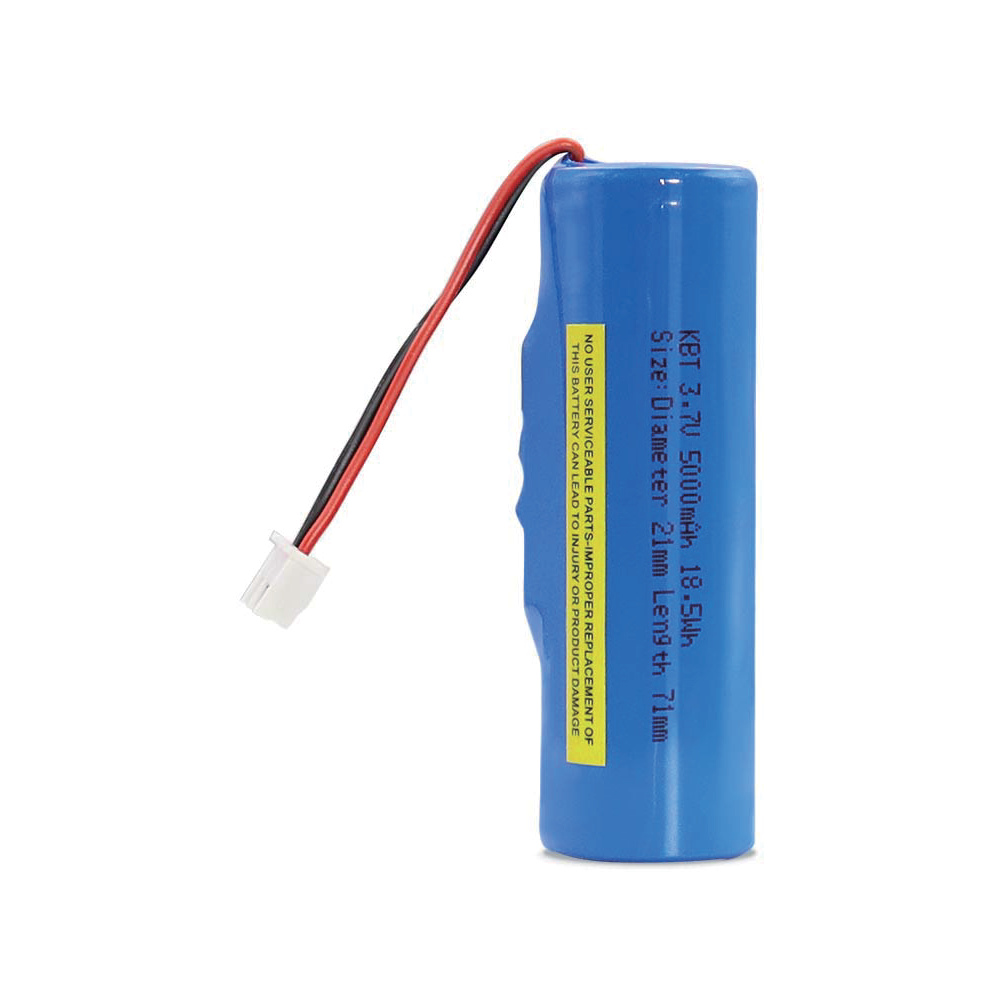
We match 18650, 21700, 26650, polymer, or LiFePO4 cells and control capacity, internal resistance, and voltage consistency before assembly.
If the protection board does not match the charger, load current, or working temperature, the pack may fail in real use.
We design or select BMS protection for over-charge, over-discharge, over-current, short-circuit, and temperature protection.
Weak cable selection, connector fit, welding quality, or fixing method can cause poor contact or reliability issues.
We confirm wire gauge, cable length, connector type, outlet direction, insulation, housing space, and assembly method.
A pack may power the device once, but still fail in capacity, heat rise, protection function, or long-term operation.
We verify charge-discharge performance, capacity, temperature rise, BMS protection, and aging before delivery.
When voltage, capacity, current, size, working environment, or certification needs are unclear, the solution can be wrong from the start.
We confirm voltage, capacity, current, dimensions, use environment, target market, and delivery requirements before design.
Packaging, battery shipping documents and after-sales handling are reviewed around the product model, order quantity, destination and agreed specification.
The packing method is selected according to the battery type, size, quantity and shipping route. Project-specific labels and carton details can be reviewed before production.
KBT can review international battery shipping options according to the destination, battery model and order quantity. The available route, shipping charge and estimated schedule are confirmed with the quotation rather than published as one standard promise.
Documents vary by battery model and configuration. Applicable files must be confirmed before ordering.
If a product issue is found after delivery, provide the order reference, affected quantity and a clear description of the issue. Photos, video and test information should be included where available so KBT can compare the product with the agreed specification.
KBT reviews the evidence and cause of the issue. When a product quality issue is confirmed, the resolution is arranged according to the quotation, order confirmation and agreed after-sales terms.
Before ordering: confirm the destination, battery model, quantity, required documents and any special packing instructions. Retail-store shipping and return timeframes do not automatically apply to wholesale or custom projects.
And we will contact you within 24 hours
For more questions visit our help center.
Yes. KBT can evaluate OEM/ODM requirements including voltage, capacity, dimensions, discharge current, cell type, BMS, cables, connectors, terminals and packaging. Please share your application and technical requirements for review.
Sample or small-batch validation can be arranged according to the product and project requirements. Specifications are confirmed before sampling so performance, fit and compatibility can be evaluated before mass production.
Quality control covers key stages from incoming materials and cell matching to assembly, performance testing and finished-product inspection. The exact inspection and reliability testing plan depends on the selected model and application.
Compliance and transport documentation can be reviewed for the specific product, including applicable UN38.3, MSDS, air or sea transport reports and other requested documents. Availability must be confirmed by model and destination market.