 Lithium-ion & Polymer Battery Packs Manufacturer | KBT Battery


Company Blog
High quality high performance excellent service
Search productSearch post
High quality high performance excellent service
A 24V label does not make a battery suitable for every 24V device. The pack must handle the load, fit the available space, connect correctly, and charge safely.
Our buyers use 24V lithium battery packs in portable speakers, custom enclosures, electronic toy cars, and other low-voltage equipment. This guide uses their Amazon photos, comments, and product video as practical evidence, then explains what a B2B buyer should specify before requesting a custom pack.
Our KBT 24V rechargeable lithium battery listing on Amazon is positioned as a replacement kit for kids’ ride-on cars. The page’s Reviews with images also show how our buyers adapt the pack for DIY equipment.
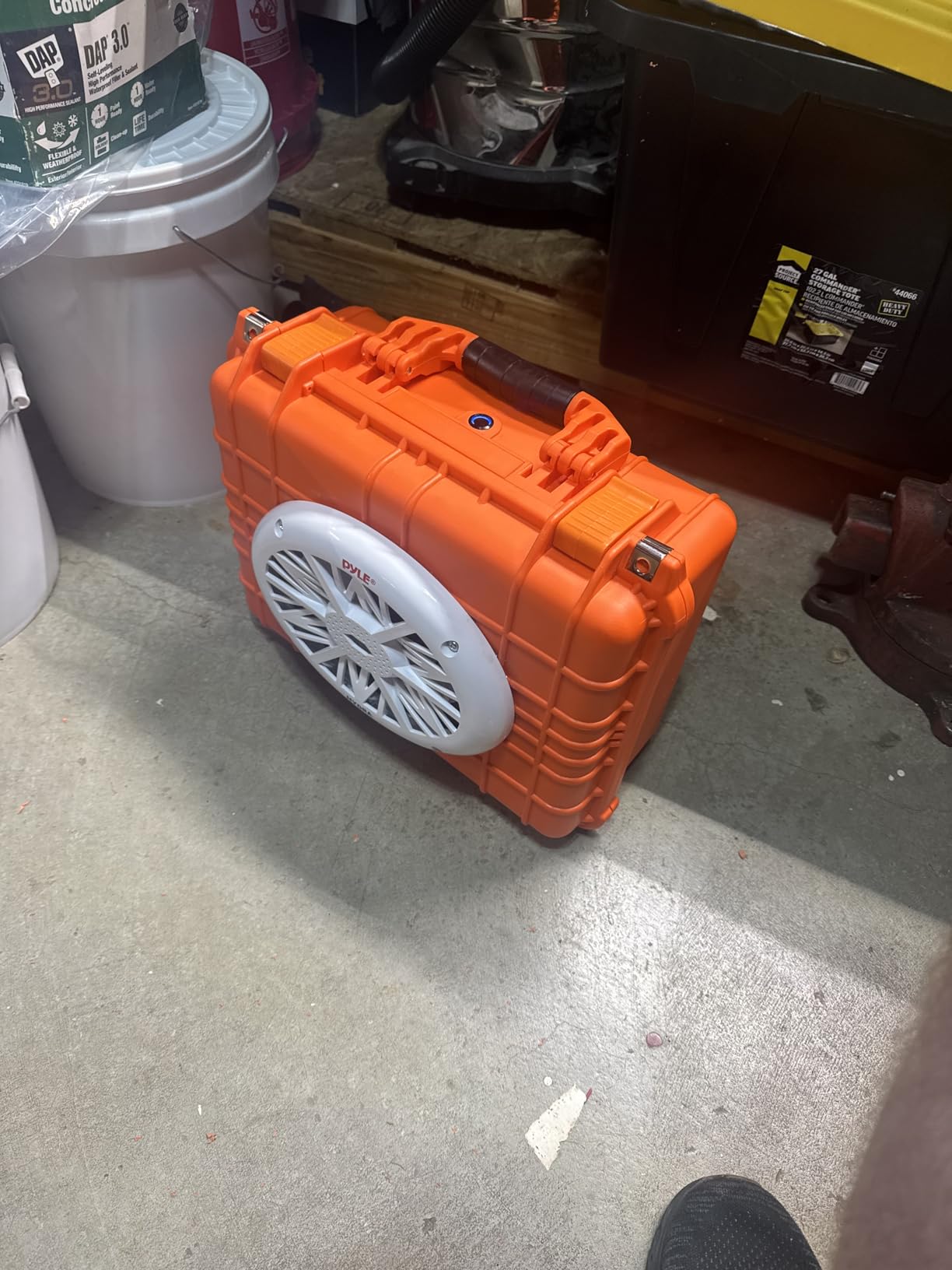
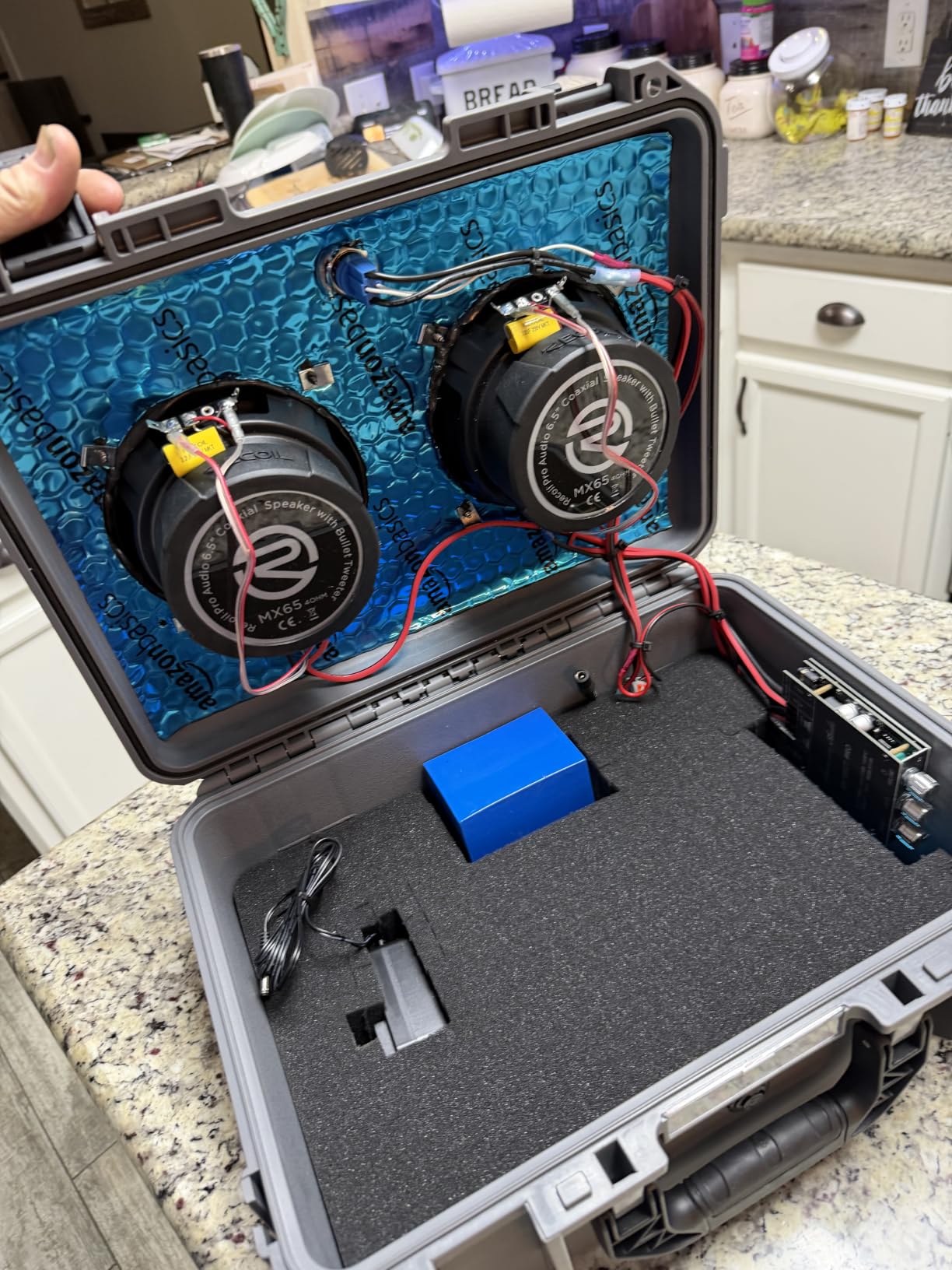
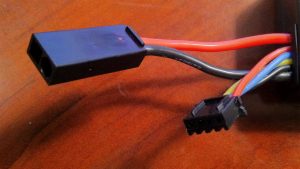
These buyer-submitted images show two useful patterns: the battery can sit inside a protective portable case, and the final design must allow room for the amplifier, wiring, connector, and charging access. Reviews also includes a customer Product image titled “Connector ” This is a picture of an actual battery connector, showing that the connector can be customized according to your project.


Our buyers have used the 24V pack in homemade speaker boxes and portable audio builds. This is a practical application because many amplifiers operate from a DC supply, while the finished enclosure needs to remain portable.
The battery specification should be based on the complete audio system:
A speaker advertised as “100W” does not necessarily draw 100W continuously. Selecting a pack only by amp-hours can also be misleading. Energy is better compared in watt-hours:
A nominal 24V 4Ah pack represents approximately 96Wh before conversion losses, BMS limits, temperature, load conditions, and the usable discharge window. Actual runtime should be checked in the finished speaker.
The portable case shown in our buyer’s image is representative of a wider DIY category. Builders need a self-contained power source for electronics assembled into a rugged or movable enclosure.
Typical projects may include demonstration units, mobile control boxes, portable lighting, field-test equipment, and maker products. Each project can have different current spikes, charging arrangements, environmental exposure, and cable-routing constraints.
For an OEM version, our buyers may need to customize:
Electronic toy cars remain one of our clearest 24V applications. A 24V lithium battery for a ride-on car must match the vehicle’s electrical system, not merely fit inside the battery compartment.
Motors can demand more current during startup, acceleration, climbing, or operation on grass than during steady movement on a flat surface. Before selecting a replacement pack, confirm:
Our lithium battery product range includes voltage-based lithium-ion packs, cylindrical packs, lithium polymer batteries, chargers, and application-oriented products. Depending on verified voltage, current, runtime, size, and environment, 24V packs may be evaluated for mobile robots, smart-device prototypes, portable instruments, security equipment, and compact industrial products.
Our Amazon Store also presents battery-with-charger sets, electronic toy batteries, camera batteries, and flashlight batteries. These categories show how varied low-voltage battery demand can be, but every new device still requires electrical, mechanical, charging, and compliance checks.
| Application | Main load concern | Mechanical concern | Connection concern | Validation priority |
|---|---|---|---|---|
| DIY speaker | Audio peaks and runtime | Weight and enclosure space | Amplifier input and charge port | Runtime at realistic volume |
| DIY mobile box | Mixed or changing loads | Layout and cable routing | Multiple outputs or custom tips | Full-system prototype test |
| Ride-on car | Startup and climbing current | Battery bay and vibration | Vehicle plug and polarity | Controller, fuse, BMS, charger |
| Robot or smart device | Motor surge and electronics stability | Shape, mounting, movement | Pinout and communication needs | Peak load and integration |
Many battery inquiries begin with voltage and capacity, but field problems often occur at the interface between the battery and the device. A connector can look correct and still be incompatible because of reversed polarity, different pin spacing, insufficient current rating, the wrong mating connector, or a cable that is too short or too thin for peak current.
The charger must match the pack chemistry, series configuration, full-charge voltage, charging current, connector, and polarity. Do not assume that an existing lead-acid charger, or another charger carrying a “24V” label, is suitable for a lithium-ion pack.
For projects using a lower-voltage architecture, see our 12V lithium-ion battery pack with cable, which supports configurable BMS, capacity, wiring, and connector options. For 24V sourcing, browse our 24V battery pack category or review the 24V rechargeable battery pack with charger and connector.
Our buyers’ comments and images show that a standard battery can solve a real DIY problem. They do not replace the engineering validation required for an OEM or wholesale project.
KBT can evaluate standard battery sourcing and project-specific requirements covering cell type, voltage, capacity, dimensions, BMS, cables, connectors, terminal wires, packaging, labels, and charger configuration. Samples or a small batch can be evaluated before a larger production order. Availability and project terms depend on the confirmed specification.
To receive a useful quotation, send us:
No. Confirm the controller voltage, motor current, startup load, BMS discharge limit, dimensions, connector, polarity, fuse, and charger. A pack can have the correct nominal voltage and still be unsuitable under load.
A nominal 24V 4Ah pack contains about 96Wh, but runtime depends on amplifier efficiency, listening volume, speaker load, conversion losses, temperature, and the usable discharge window. Test the complete audio system under realistic conditions.
Only if its output voltage, charging profile, current, connector, and polarity match the battery chemistry and configuration. Never assume that a lead-acid charger is compatible with a lithium-ion replacement.
KBT can evaluate cell type, capacity, pack dimensions, BMS, discharge current, wire leads, connectors, terminals, wrapping, housing, labels, and charger configuration. Feasibility depends on the device requirements, testing, order plan, and target market.
Real-world 24V lithium battery applications extend beyond ride-on cars. Our buyers’ images and product video show demand from portable audio and DIY builders, while KBT’s broader range supports battery projects across consumer, smart-device, and portable-equipment categories.
Successful projects begin with load data, runtime, dimensions, BMS requirements, wiring, connector details, charging, and validation in the finished device.
If you are sourcing a standard pack or developing a custom 24V lithium battery pack, contact KBT Battery with your device specifications, connector photos, expected quantities, and target market. We will review the requirements and prepare an appropriate battery-pack proposal.
Learn how to specify a custom lithium battery pack with cable and connector. Use this buyer checklist and contact KBT for an OEM quote.
View detailsTags: rechargeable lithium batteries, distributor sourcing, OEM battery packs, battery connectors, BMS, security equipment | Body word count: 1,547 | Reading time: 7 minutes Distributors are often asked for a battery befor...
View detailsThe short answer is sometimes, but matching the "12V" label is not enough. A pack can fit the compartment and still be wrong for the motor surge, charger, connector or wet environment. So, can a lithium battery replace lead-acid in your product wi...
View detailsA battery can pass a capacity test and still fail inside the customer's equipment. It may shut down when a motor starts, heat at the connector, refuse to charge, or work on the bench but fail after vibration and moisture exposure. These are not al...
View details